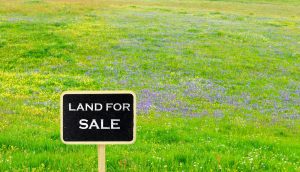
Why People Buy Cheap Land
Affordable land attracts a variety of buyers many different reasons:
Investment potential – land can surge in value after a while
Future building plans – buyers secure property before construction
Agriculture or farming – rural land is frequently cheaper plus more spacious
Vacation or recreation use – cabins, camping, or weekend retreats
Long-term asset holding – land requires little upkeep in comparison with buildings
Because land is a limited resource, even inexpensive plots can become valuable over time.
Types of Cheap Land Available
1. Rural Land
Rural land is typically the most affordable option. It is located outside major cities and may include farmland, forests, or open fields.
Pros:
Low purchase price
Large acreage available
Suitable for farming or off-grid living
Cons:
Limited access to utilities
Far from urban services
2. Undeveloped Residential Land
This type of land is zoned for housing but has not yet been built on. It can often be found in developing areas.
Pros:
Good for future home construction
Higher appreciation potential
Easier to get permits
Cons:
May require infrastructure development
Can require time before building is possible
3. Recreational Land
Recreational land is utilized for activities including camping, hunting, or nature retreats.
Pros:
Very affordable in certain regions
Ideal for leisure use
Low taxes in many areas
Cons:
Limited development rights
Not well suited for permanent housing in most cases
4. Foreclosed or Tax-Sale Land
Banks or governments sometimes sell land at reduced prices as a result of unpaid taxes or foreclosure.
Pros:
Below-market pricing
Good investment opportunities
Cons:
Possible legal or ownership complications
Requires careful research
Where to Find Cheap Land for Sale
Finding affordable land depends upon location and research. Common sources include:
Online property marketplaces
Local government auctions
Real estate agents specializing in land sales
Rural property listings
Direct owner sales (FSBO listings)
Less populated regions and developing areas usually provide best prices.
Factors That Affect Land Prices
Several important aspects influence how much land costs:
Location
Land near cities, highways, or popular destinations is a bit more expensive than remote areas.
Zoning Laws
Zoning determines whether land can be used as residential, commercial, or agricultural purposes.
Access to Utilities
Land with electricity, water, and road access is more valuable than undeveloped parcels.
Land Size and Shape
Larger plots might cost more overall, but price per acre can be lower. Irregular shapes or difficult terrain may reduce value.
Soil and Environment
Fertile soil increases agricultural value, while flood zones or rocky terrain can more affordable prices.
Tips for Buying Cheap Land Safely
Research Ownership History
Always verify how the seller has legal ownership and clear title to the land.
Check Zoning Regulations
Make sure the land can be used as your intended purpose before purchasing.
Inspect the Property
Visit the land directly to evaluate access, terrain, and surroundings.
Understand Hidden Costs
Cheap land might require additional expenses like:
Road construction
Utility installation
Land clearing
Surveying fees
Work With Professionals
Real estate agents, surveyors, and legal experts might help prevent costly mistakes.
Is Cheap Land a Good Investment?
Cheap land might be a strong investment if chosen carefully. Over time, land in developing regions may appreciate significantly. However, you should consider long-term growth potential, infrastructure plans, and local economic development.
The best approach is to buy land in areas which are likely to grow popular rather than focusing only on the lowest price.
Cheap land available presents a priceless opportunity for investors, homeowners, and long-term planners. With proper research and careful evaluation, affordable land can become a powerful asset that provides flexibility, financial growth, and future development potential. Whether you are buying for individual use or investment, understanding the land’s location, zoning, and long-term value is essential to making an intelligent purchase.